At a glance
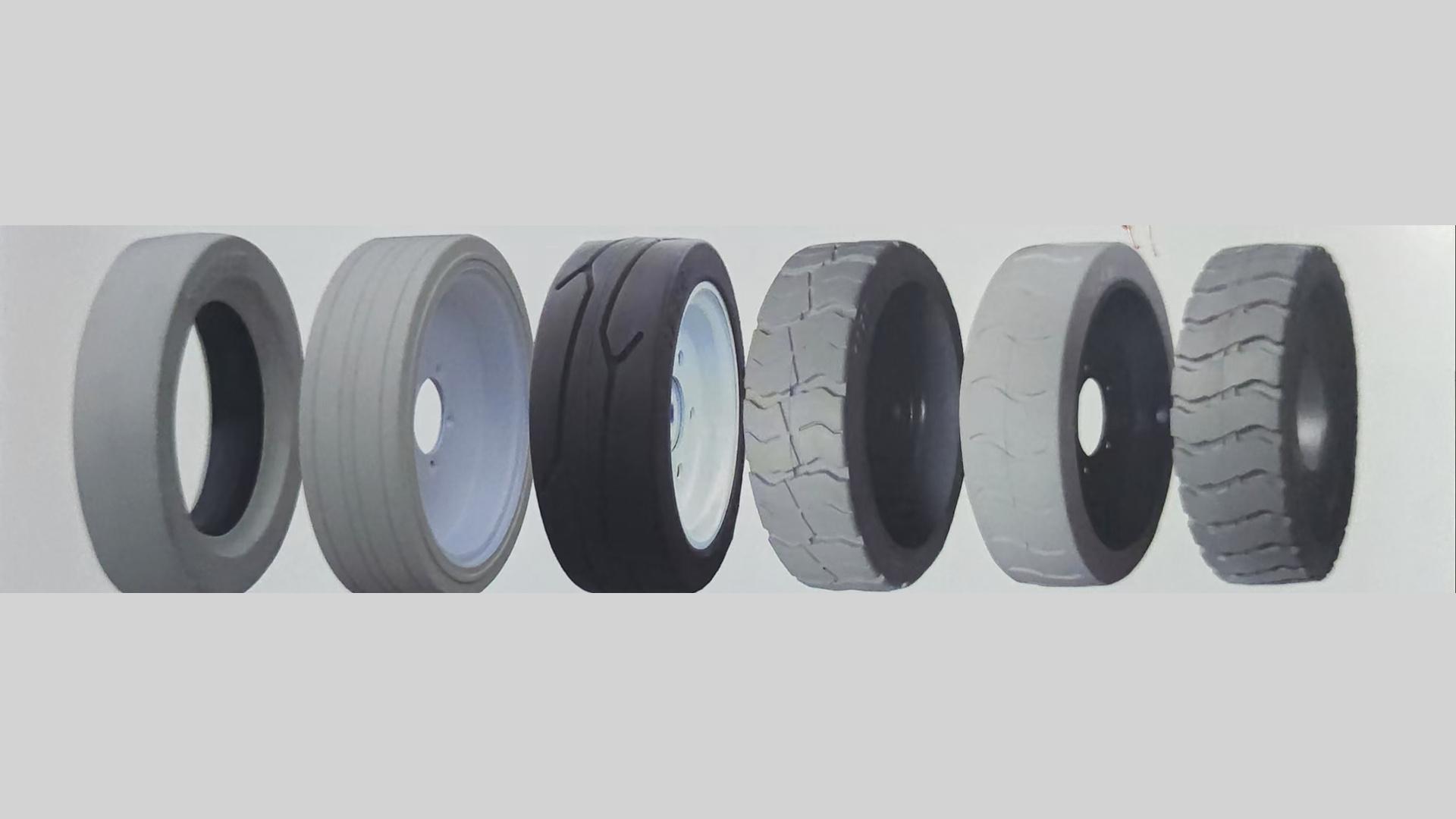
The 18×7-8 aerial lift solid tyre runs on a 4.33 rim, measures 457 mm in overall diameter and 178 mm in section width, with a reference load of 1,800 kg and a typical application in Scissor Lift.
18×7-8 published specifications
The values below reproduce the current JABIL size table in a dedicated, searchable format. They are reference values for initial comparison, not a substitute for confirming the machine, axle and duty cycle before purchase.
Recommended rim
4.33
Overall diameter
457 mm
Section width
178 mm
Reference load
1,800 kg
Application
Scissor Lift
Tread pattern
Smooth / Lug
Information needed to confirm fitment
Selection note
Load ratings can change with speed, axle position, load centre, surface, ambient temperature and continuous running time. Send the equipment details to JABIL for confirmation before placing an order.
Same size in other applications
Related sizes
Related Reading
18x7-8 Solid Tyre FAQs
What aerial lifts use 18x7-8 tyres?
18x7-8 appears on scissor lifts and some boom lifts. Note it is the same nominal size as the forklift 18x7-8 but specified from the aerial range — the load line and compound priorities differ, so order from this page for lifts, not the forklift range.
What does the 18x7-8 designation mean on an aerial tyre?
Aerial sizes mix imperial and metric notations depending on the machine manufacturer — 18x7-8 is the format the lifts themselves use. The table above gives exact dimensions. If your old tyre carries a similar but different-looking marking, send a sidewall photo and we will cross-reference it.
What compounds are available for 18x7-8?
Standard black for outdoor and rough-terrain machines, non-marking grey for indoor floors — both carry the same load ratings, so the choice is about floor marking and environment, not capacity. For continuous hot-climate outdoor use we can also adjust the compound; Middle East rental fleets ask for this often.
How do I confirm 18x7-8 is the right tyre before ordering?
Read the size off the current tyre's sidewall or the machine's data plate, note the lift brand and model, and send both with your inquiry. We confirm fitment and compound in one exchange — that single message prevents the most common ordering mistake in this category.
Do you supply aerial tyres wholesale to rental companies?
Yes — aerial tyre distributors and equipment rental fleets are core customers, buying factory-direct from pallet quantities to full containers worldwide. OEM branding is available for fleets running their own label, and pricing reflects direct-from-manufacturer terms.
Can we order a trial quantity of 18x7-8?
Yes — a pallet to verify fitment and wear across a few machines is the normal entry point. Trial pricing sits above container volume, and the same specification carries over when you scale up, with no re-approval needed.
How are 18x7-8 tyres shipped?
Palletized in export packing, LCL or full container, from our factory to your port. Mixing aerial sizes with forklift and press-on sizes in one container is routine for us — list all sizes in the inquiry and we will plan the load.
What makes aerial solid tyres different from forklift solid tyres?
Both are solid rubber, but the specification priorities differ: aerial tyres are built for platform stability and often non-marking compounds, while forklift tyres are optimised for drive-axle load cycles. The moulds, compounds and load lines are separate — so order from the aerial range for lifts rather than converting a forklift size.