
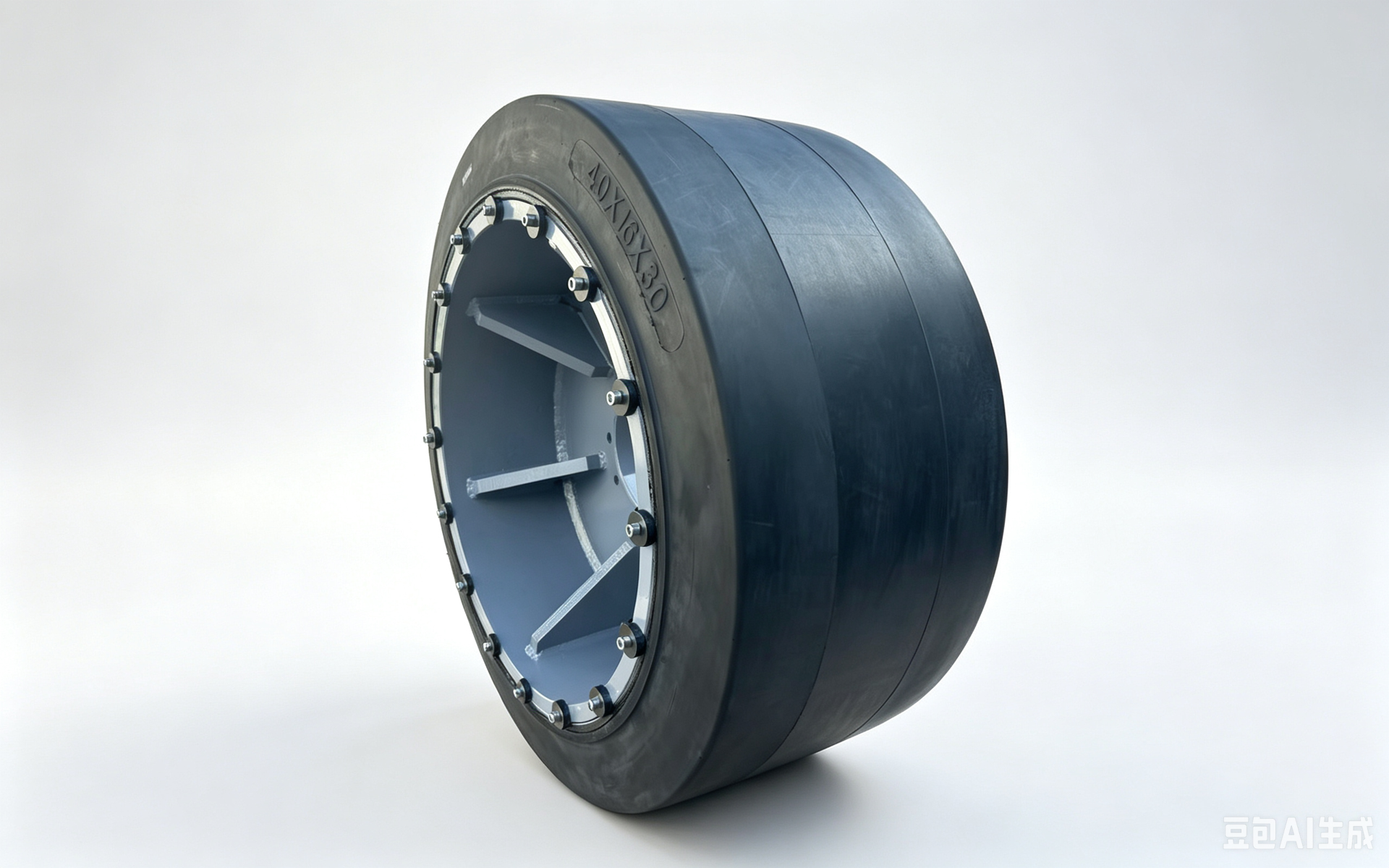
At a glance
The 16×6×10 1/2 press-on tyre measures 406 mm in overall diameter, 152 mm in section width and 267 mm in inner (band) diameter, with a reference load of 1,955 kg at 10 km/h and 1,695 kg at 16 km/h.
16×6×10 1/2 published specifications
The values below reproduce the current JABIL size table in a dedicated, searchable format. They are reference values for initial comparison, not a substitute for confirming the machine, axle and duty cycle before purchase.
Overall diameter
406 mm
Section width
152 mm
Inner diameter
267 mm
Reference load capacity
| Operating speed | Reference load |
|---|---|
| 10 km/h | 1,955 kg |
| 16 km/h | 1,695 kg |
Information needed to confirm fitment
Selection note
Load ratings can change with speed, axle position, load centre, surface, ambient temperature and continuous running time. Send the equipment details to JABIL for confirmation before placing an order.
Related sizes
Related Reading
16x6x10.5 Solid Tyre FAQs
Which forklifts take 16x6x10½ cushion tyres?
16x6x10½ serves 1.5–2 tonne electric counterbalance trucks working indoors. Same band diameter as 16x5x10½ but a wider tread — match the width as well as the band when replacing, or send us the old tyre's marking.
How is a 16x6x10.5 press-on tyre mounted?
Bonded onto a steel band and pressed onto the wheel hub with hydraulic pressure — no rim, no air, no locking rings. Mounting needs a press, which is why many customers order the tyres pre-mounted on wheels from us. If your workshop has a suitable press, loose tyres are straightforward.
Press-on or pneumatic-style solid — which do I need?
The truck decides, not preference: cushion trucks — reach trucks and indoor electric counterbalance — take press-on tyres, while pneumatic-tyre trucks take rim-mounted solids. Send the equipment list and we will map every truck to the right type and size in one pass.
When should I replace a 16x6x10.5 press-on tyre?
When rubber wear approaches the steel band — past that point traction and cushioning drop off sharply. Cuts, chunking or bonding separation mean immediate replacement regardless of tread. On high-hour trucks, make the wear check part of the weekly walkaround; a worn press-on is the most common cause of "sudden" traction problems indoors.
What compound options exist for 16x6x10.5?
Standard black for general indoor work, non-marking for clean-floor sites such as food and pharma. For special environments — anti-static requirements, oil exposure, cold stores — compounds can be adjusted at the factory, so ask before assuming a standard compound is your only option.
Can I order 16x6x10.5 press-on tyres already mounted on wheels?
Yes — pre-mounted wheels save the pressing work and suit dealers reselling to end users without equipment. Ask for both loose tyres and mounted wheels in one inquiry and we will price them side by side.
What is the MOQ and lead time for 16x6x10.5?
Trial quantities welcome; the schedule depends on compound and mould availability and is confirmed within one business day of your inquiry. Mixed sizes consolidate into one container routinely — normal practice for dealers stocking a full cushion range.
Why do press-on tyres wear faster than rim-mounted solids?
Cushion tyres are smaller in diameter and carry load through a thinner rubber section, so they reach the wear limit sooner — physics, not a quality gap. The right compound for your floor and duty cycle is what stretches life. If your press-ons wear unusually fast, the compound or the load rating is probably mismatched — send the details and we will check.